One-Pot Chicken Kabsa is a take on the traditional kabsa, but in a much easier and more practical way. Instead of cooking the chicken separately and the rice on its own, everything is cooked together in one pot, which means less mess and more flavor. There’s also no need to use the oven to brown the chicken — it’s perfectly browned right in the same pot.
This is one of those dishes that’s simple to make but tastes like you spent all day in the kitchen. It’s rich, comforting, and full of flavor, making it perfect for everyday cooking or for serving at a big gathering when you want something impressive without the stress.
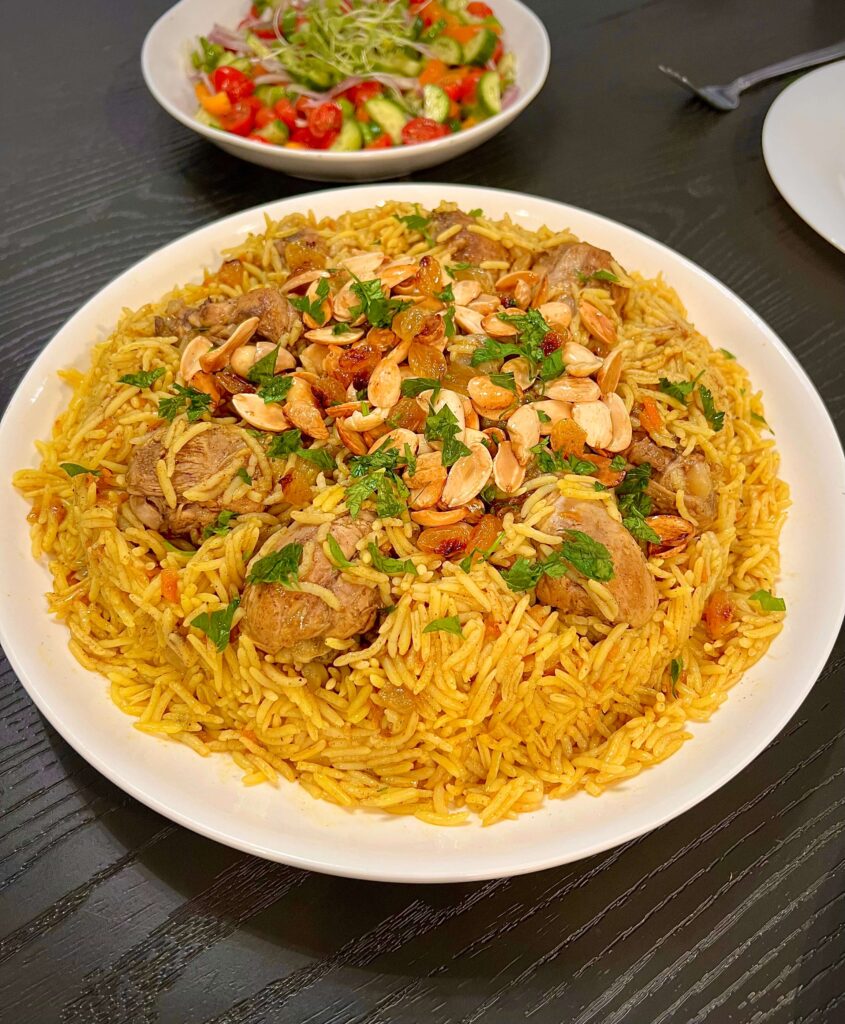
One-Pot Chicken Kabsa Ingredients
- Chicken: I use chicken drumsticks because they stay juicy and flavorful, but you can use any cut you prefer.
- Basmati rice: Long-grain basmati rice gives the dish its signature fluffy texture and absorbs all the spices beautifully.
- Water or chicken broth: Using broth adds extra depth of flavor, but water with a bouillon cube works just as well.
- Tomato: Adds a light tang and helps build the rich base flavor of the kabsa.
- Carrot: Brings a subtle sweetness and a nice color to the rice.
- Onion: The foundation of flavor that gives the dish its savory depth.
- Garlic: Adds warmth and aroma that makes the kabsa smell amazing while cooking.
- Oil: Used for sautéing and browning the chicken to build flavor from the very first step.
- Chicken bouillon cube: Boosts the savory taste and makes the rice extra flavorful.
- Kabsa spice: This is the star of the dish and gives it its signature Middle Eastern flavor.
- Salt: Enhances and balances all the flavors in the dish.
- Black pepper: Adds a gentle warmth and light heat.
- Turmeric: Gives the rice a beautiful color and a subtle earthy flavor.
- Tomato paste: Deepens the tomato flavor and gives the rice a richer color and taste.
How to make One-Pot Chicken Kabsa?
- Prepare the rice:
Wash the basmati rice and soak it for 1 hour, then drain and set aside. - Make the flavor base:
In a large pot, heat some oil and sauté the chopped onion and garlic for about 1 minute until fragrant. Add the shredded carrot and diced tomato and cook for another minute. - Add spices and tomato paste:
Stir in the kabsa spice, turmeric, black pepper, salt, and tomato paste. Mix well so everything is nicely combined and fragrant. - Mix in the rice:
Add the drained rice to the pot and mix it with the vegetable and spice mixture so every grain is coated with flavor. Remove this mixture and set it aside. - Brown the chicken:
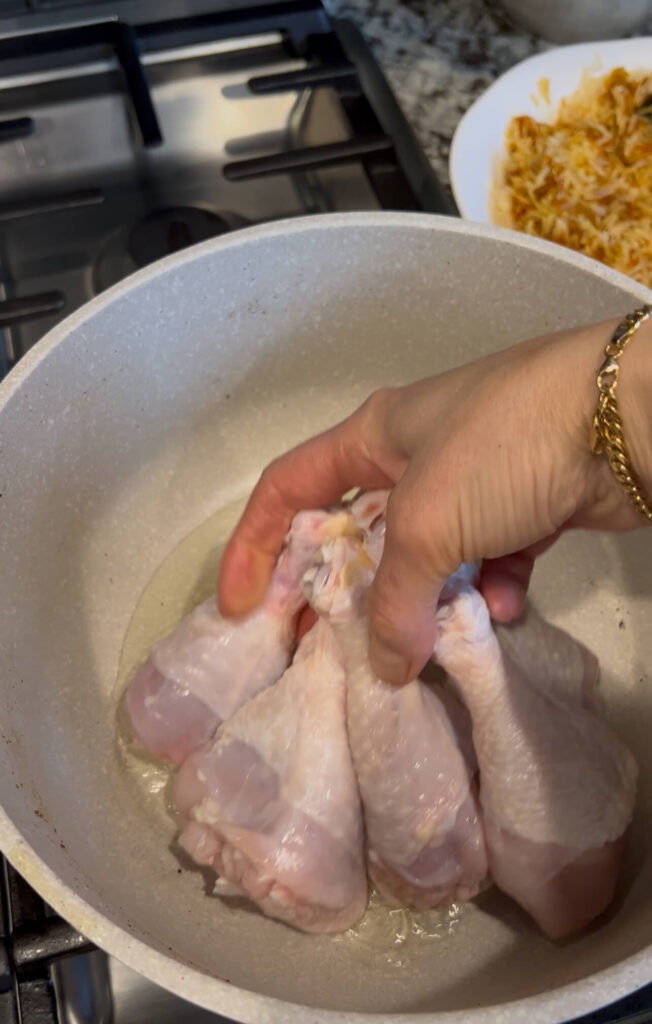
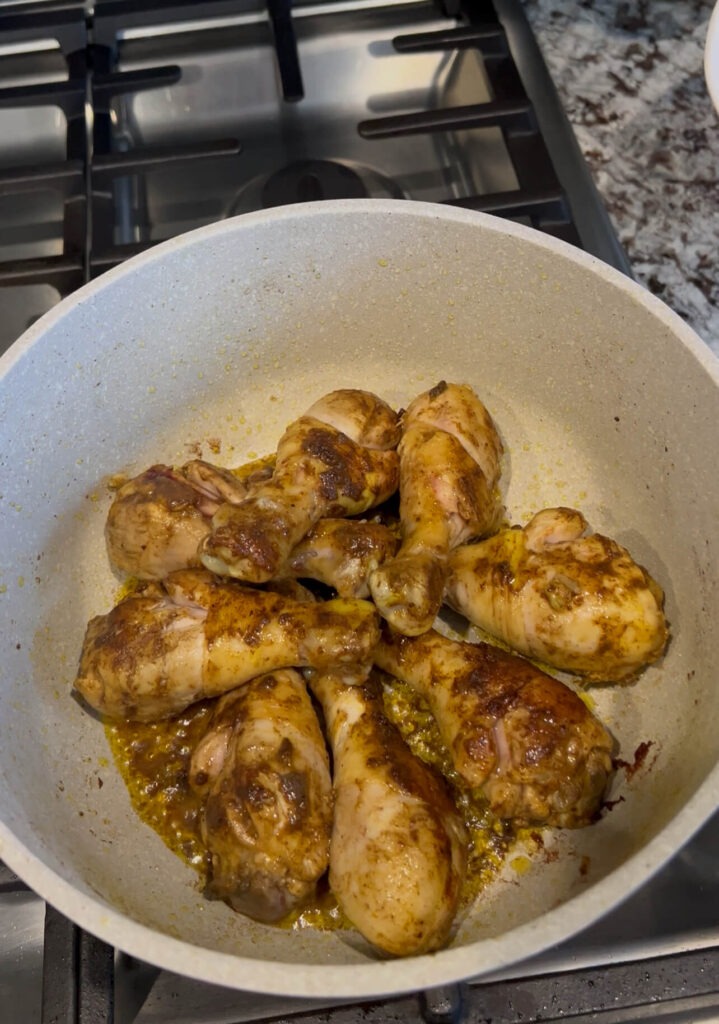
In the same pot, add a little more oil. Add the chicken and season it with kabsa spice and a little salt. Brown the chicken on both sides until it gets a nice color. - Combine everything:
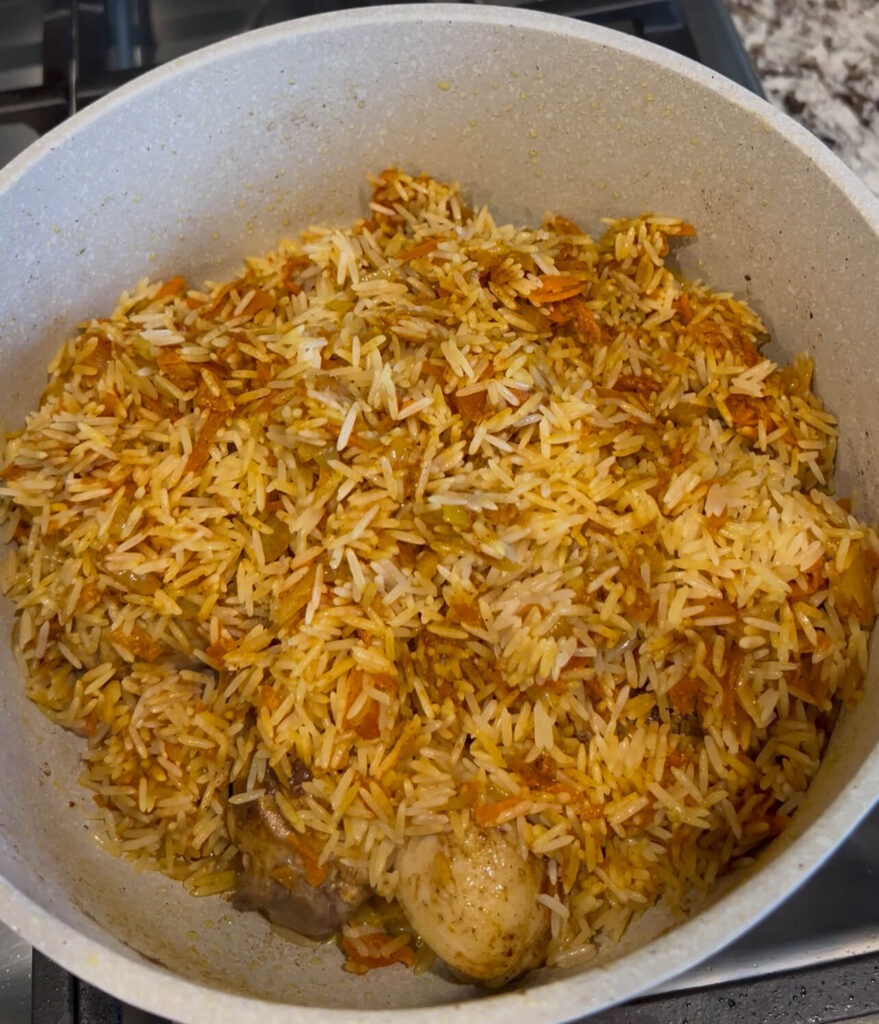
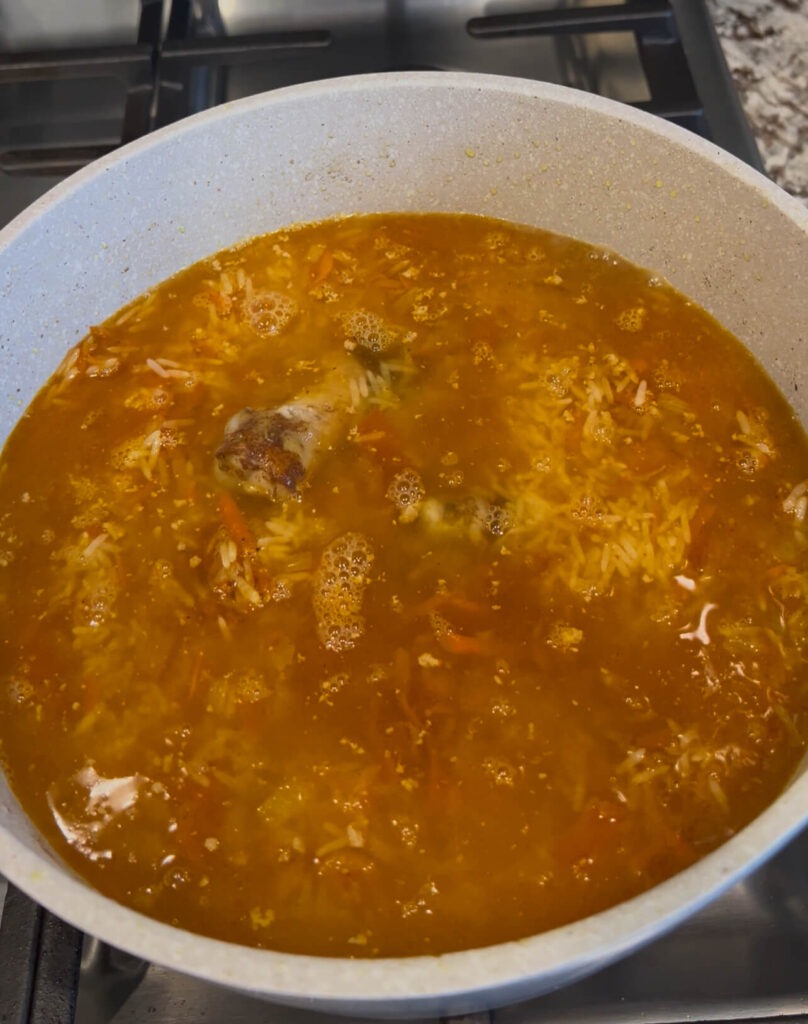
Add the rice mixture back into the pot over the chicken. Pour in the hot water mixed with the chicken bouillon cube (or use chicken broth). - Cook:
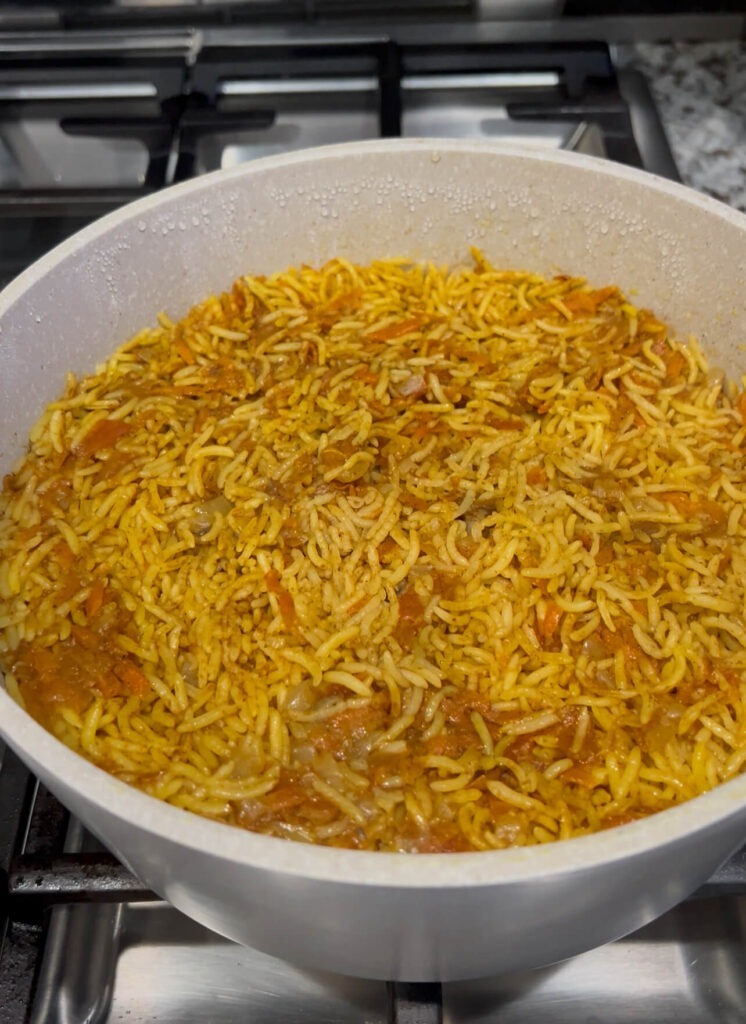
When it starts to bubble, cover the pot, lower the heat to the lowest setting, and let it cook for 20 minutes. - Rest the kabsa:
Turn off the heat and keep the pot covered for another 15 minutes to let the rice finish steaming. - Serve:
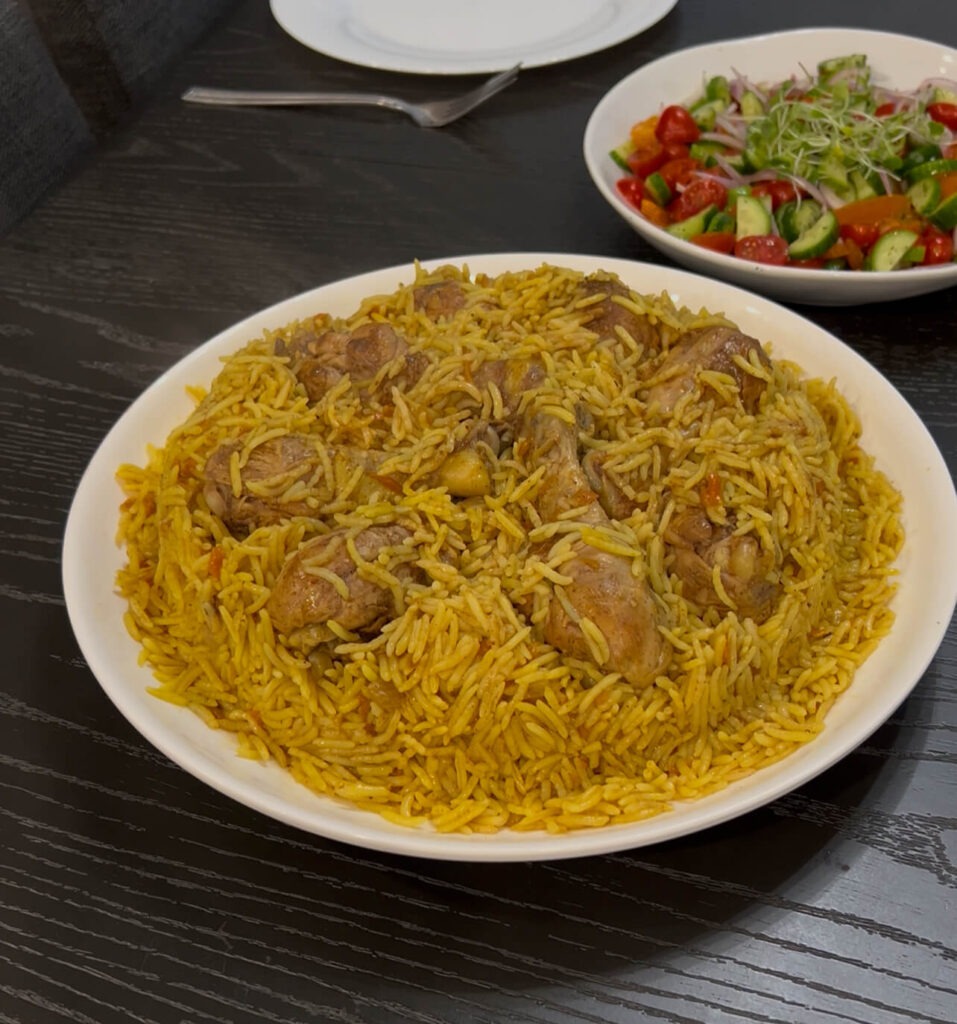
Gently fluff the rice, flip the pot onto a serving platter if you like, top it with toasted nuts and raisins and serve hot.
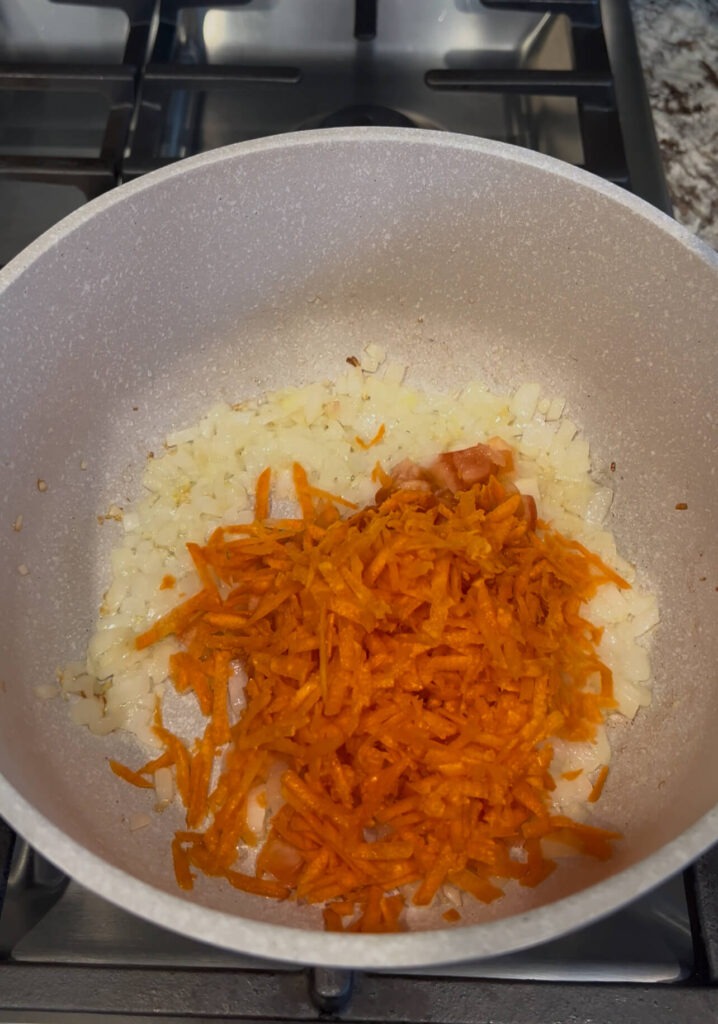
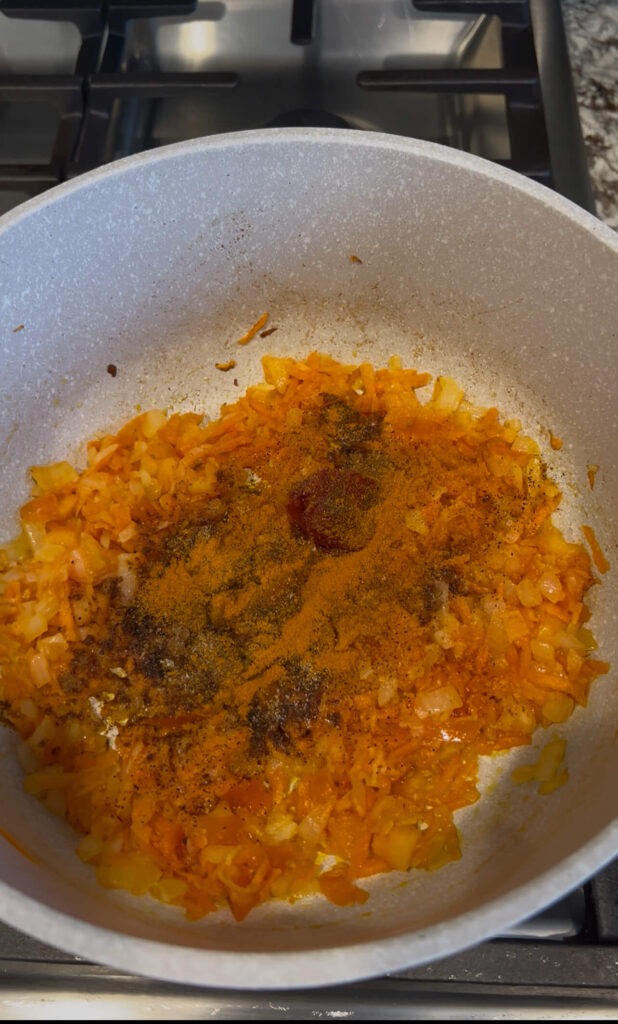
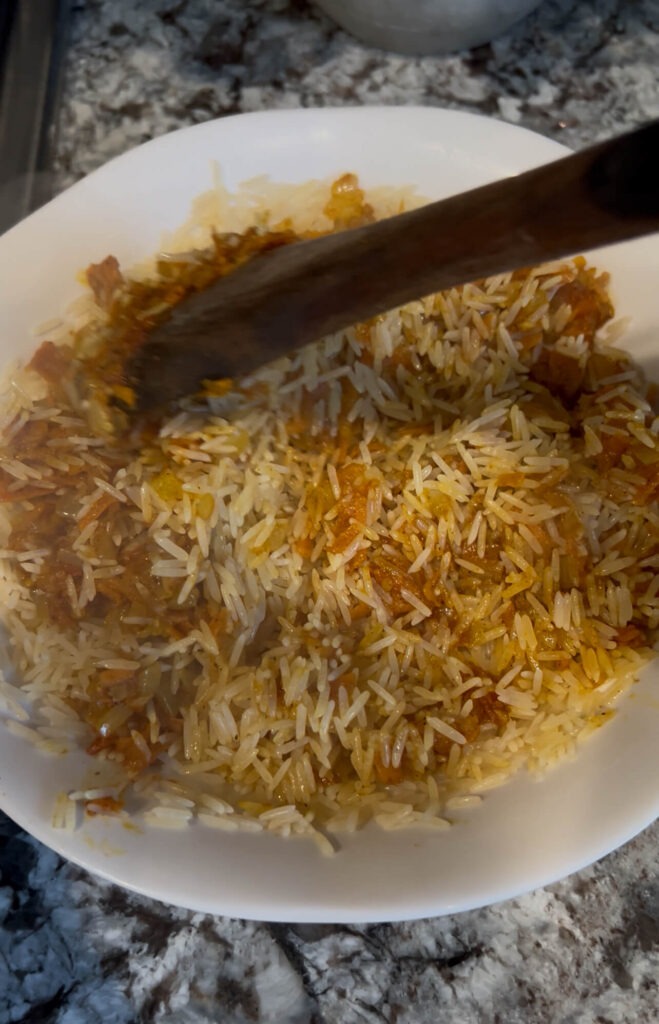
Different types of kabsa
Kabsa is one of the most famous dishes in the Middle East, especially in the Gulf region, and it comes in many delicious variations depending on the region and the ingredients used.
- Chicken Kabsa: The most popular and everyday version, made with spiced rice and chicken, and loved for how comforting and flavorful it is.
- Lamb Kabsa: A richer and more traditional version, usually made for special occasions, with tender lamb cooked slowly until it’s very soft.
- Beef Kabsa: A great alternative to lamb, using beef chunks that become flavorful and tender when cooked with the rice and spices.
- Fish Kabsa: A lighter version, especially popular in coastal areas, made with seasoned fish served over spiced kabsa rice.
- Shrimp Kabsa: A seafood twist on the classic, where shrimp is cooked or served on top of the fragrant kabsa rice.
- Mixed Meat Kabsa: A festive version made with a combination of chicken, lamb, or beef, often served at big gatherings and celebrations.
- Vegetable Kabsa: A vegetarian-friendly version made with mixed vegetables and the same aromatic kabsa spices and rice.
Each type has its own flavor and character, but they all share the same fragrant rice, warm spices, and comforting taste that make kabsa so special.
How to serve One-Pot Chicken Kabsa?
Kabsa is traditionally served family-style on a large platter, making it perfect for gatherings and special occasions.
- Carefully flip the kabsa onto a big serving platter so the chicken sits beautifully on top of the rice.
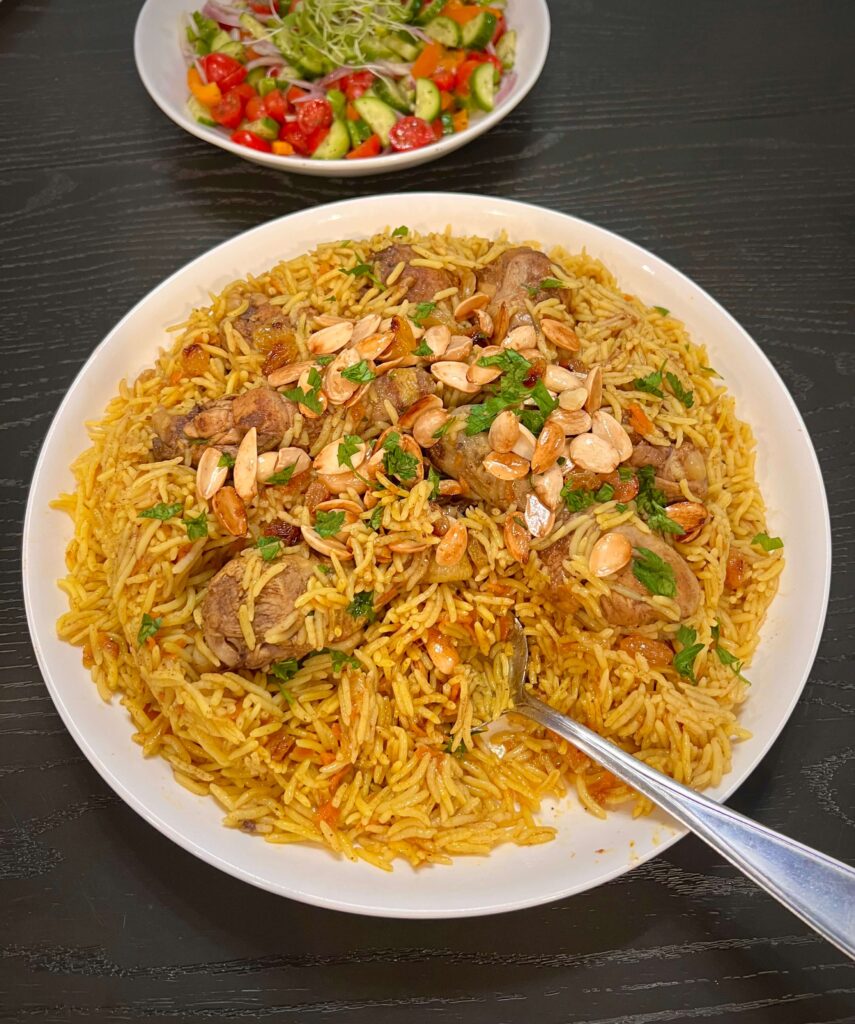
- Garnish with toasted nuts like almonds or pine nuts, and raisins if you like a touch of sweetness.
- Serve it with dakous (tomato sauce), plain yogurt, or cucumber yogurt salad on the side to balance the spices.
- A simple Arabic salad or fresh chopped vegetables also pairs perfectly with kabsa.
- For a more traditional experience, kabsa can be enjoyed straight from the platter and shared at the table.
Kabsa is best served hot and fresh, and it’s a dish that always impresses whether it’s for everyday lunch or a special gathering.
How to store leftover kabsa?
Kabsa stores very well, making it perfect for meal prep or leftovers.
- Let the kabsa cool completely before storing it.
- Transfer it to an airtight container.
- Store in the refrigerator for up to 3–4 days.
- For longer storage, you can freeze kabsa in airtight containers or freezer bags for up to 2 months.
- When reheating, sprinkle a little water or broth over the rice and reheat on the stove or in the microwave to keep it moist.
For best taste and texture, it’s always best enjoyed fresh, but leftovers are still delicious the next day.
Frequently asked questions
Can I use a different cut of chicken?
Yes! You can use a whole chicken cut into pieces, thighs, or even breast, but keep in mind that bone-in pieces give the best flavor.
Can I make kabsa with chicken breast?
Yes, but chicken breast cooks faster and can dry out, so it’s best to add it later or keep a close eye on the cooking time.
Can I use chicken broth instead of water?
Absolutely. Chicken broth adds more depth and richness to the flavor of the rice.
What if I don’t have kabsa spice?
You can make a simple substitute using a mix of cumin, coriander, cinnamon, black pepper, cardamom, and a little paprika.
Why is my rice mushy or sticky?
This usually happens if there’s too much water or the rice is overcooked. Make sure to measure the liquid and don’t overcook.
Can I make kabsa ahead of time?
Yes, kabsa can be made a day ahead and reheated. It actually tastes even better the next day as the flavors develop.
Can I freeze kabsa?
Yes, you can freeze it for up to 2 months in an airtight container.
How do I reheat kabsa without drying it out?
Sprinkle a little water or broth over the rice, cover it, and reheat gently on the stove or in the microwave.
Is kabsa spicy?
Kabsa is flavorful and aromatic, not spicy. You can adjust the spice level to your taste.
Tips and Tricks for One-Pot Chicken Kabsa
- Soak the rice: Soaking basmati rice for at least 30 minutes helps it cook evenly and become fluffy instead of sticky.
- Use bone-in chicken: It gives the rice much more flavor and keeps the chicken juicy.
- Brown the chicken well: Don’t rush this step — browning adds a deep, delicious flavor to the whole dish.
- Toast the spices in the oil: This helps release their aroma and makes the kabsa much more flavorful.
- Measure the liquid carefully: Too much liquid will make the rice mushy, and too little will leave it undercooked.
- Keep the heat low while cooking: Once it starts boiling, always cook kabsa on very low heat so the rice steams gently.
- Don’t open the lid: Try not to lift the lid while the rice is cooking — the steam is what cooks the rice perfectly.
- Let it rest before serving: Leaving it covered for 10–15 minutes after cooking makes the rice fluffier and helps the flavors settle.
- Fluff gently: Use a fork or spoon to fluff the rice so the grains stay long and beautiful.
- Add toppings for extra flavor: Toasted nuts and raisins take kabsa to the next level for serving.
More rice dishes to try

One-Pot Chicken Kabsa
Ingredients
- 1 kg chicken I used drumsticks, but you can use any part you like
- 2 cups basmati rice washed and soaked for 1 hour
- 4 cups hot water or chicken broth
- 1 small tomato diced
- 1 carrot shredded
- 1 small onion chopped
- 2 garlic cloves minced
- Olive oil or neutral oil as needed
- 1 chicken bouillon cube
- 1 tbsp kabsa spice ½ tbsp for the chicken + ½ tbsp for the rice
- 1 tsp salt
- ½ tsp black pepper
- ½ tsp turmeric
- 1 tbsp tomato paste
- 1 cup toasted nuts
- 1/4 raisins
- chopped parsley for garnish
Instructions
- Wash and soak the rice for 1 hour.
- Add oil to a pot, then add the onion and garlic. Sauté for 1 minute.
- Add the shredded carrot and tomato and cook for another minute.
- Add the spices and tomato paste and mix everything well.
- Add the rice to the sautéed vegetables and mix together, then set aside.
- In the same pot, add a little more oil, then add the chicken. Season with kabsa spice and a little salt, and brown on both sides.
- Add the rice mixture back to the pot. Add the hot water mixed with the chicken bouillon cube (or use chicken broth instead).
- When it starts bubbling, cover, lower the heat to the lowest setting, and cook for 20 minutes.
- Turn off the heat and leave it covered for another 15 minutes before serving
- Flip garnish with toasted nuts, raisins and chopped parsley
Notes
- This recipe is not the traditional method of kabsa, but it’s an easier one-pot version with amazing flavor.
- You can use any cut of chicken you like, but bone-in pieces will give the best taste.
- If using chicken breast, keep in mind it cooks faster and may be slightly drier.
- Always soak and rinse the rice to get fluffy, separate grains.
- You can replace water with chicken broth for a richer flavor.
- The spice level is mild and aromatic, so feel free to adjust the spices to your taste.
- This dish is perfect for meal prep and tastes even better the next day.
- If your pot is small, you can brown the chicken first, remove it, then continue cooking and add it back later.
o